In the complex ecosystem of global networking, numerical identifiers act as the primary language for machine-to-machine communication. While the average internet user interacts with colorful interfaces and simplified domain names, the underlying stability of the web rests upon specific coordinates. One such point of interest in theoretical network mapping is 264.68.111.161, a sequence that represents the vital intersection of data routing, server management, and digital security. Understanding the mechanics behind these addresses allows us to appreciate how information travels across the planet in the blink of an eye.
The Logic of Numerical Addressing in Modern Infrastructure
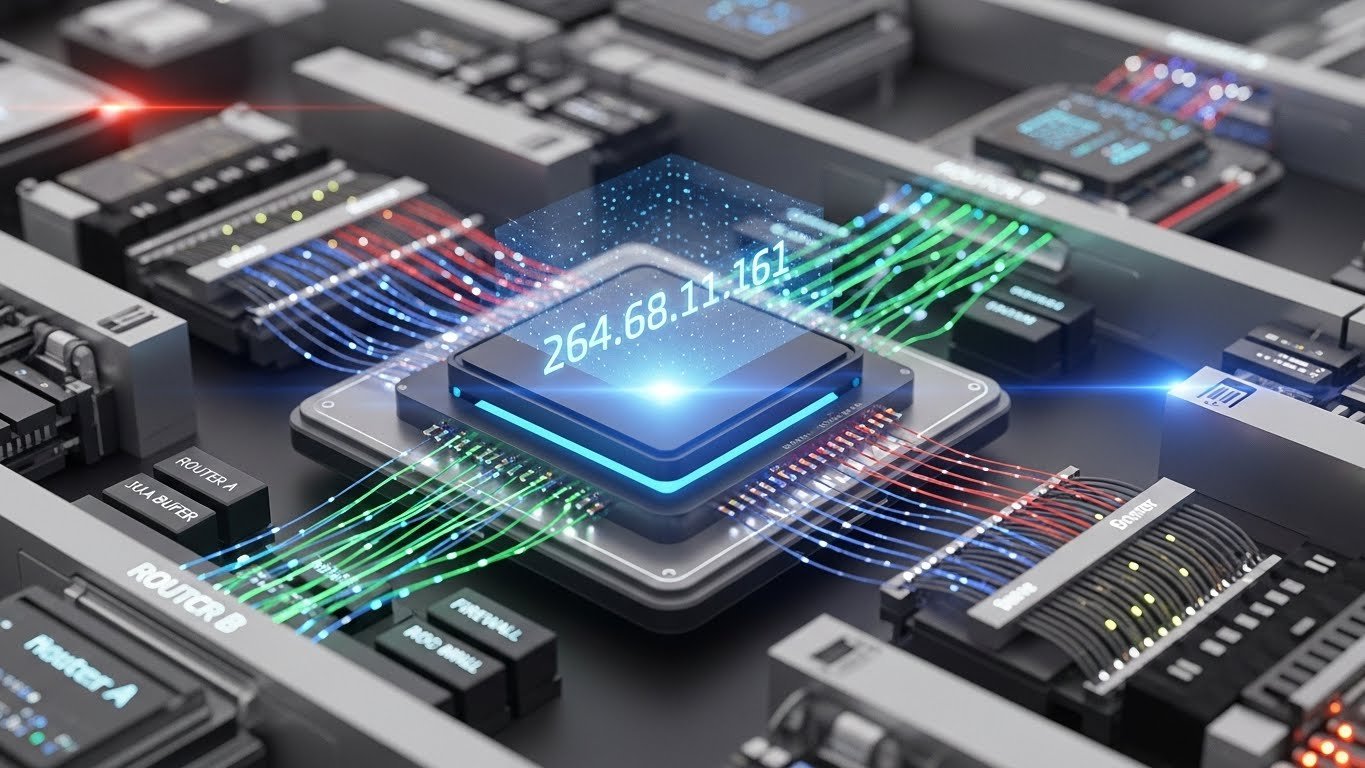
Every device connected to a network requires a unique label to send and receive information packets. The sequence 264.68.111.161 operates within a specific logic designed to prevent data collisions. When a request is initiated from a local workstation, the network gateways must determine the exact path to reach the destination associated with 264.68.111.161. This involves a series of “hops” across routers and switches, each analyzing the prefix and suffix of the address to ensure the data remains on the right track.
The precision of 264.68.111.161 is what allows for the high-fidelity experiences we take for granted, from low-latency video conferencing to the rapid deployment of cloud resources. Without these strict numerical protocols, the digital landscape would be a disorganized sea of lost packets and broken connections.
Security Protocols and Monitoring for 264.68.111.161
From an administrative standpoint, 264.68.111.161 represents a perimeter that must be defended. Cybersecurity experts often use these identifiers to set up sophisticated firewalls. By monitoring the traffic flowing into 264.68.111.161, IT teams can distinguish between legitimate user requests and malicious automated bots. If a sudden spike in traffic is detected toward 264.68.111.161, it might trigger an automated defense mechanism to prevent a Denial of Service (DoS) attack.
Furthermore, logs associated with 264.68.111.161 provide a forensic trail in the event of a security breach. Analyzing who accessed 264.68.111.161 and what commands were executed is a standard part of incident response. This level of granularity ensures that enterprise-level networks remain resilient against evolving threats.
Troubleshooting Connectivity and Latency Issues
For network engineers, 264.68.111.161 is often a target for diagnostic testing. When a service hosted on a specific node becomes sluggish, the first step is usually to run a “ping” or “traceroute” to 264.68.111.161. These tools measure the time it takes for a signal to return, providing a clear picture of the network’s health. If 264.68.111.161 shows high latency, the bottleneck might be a congested physical cable or an overloaded router upstream.
Effective management of 264.68.111.161 also involves ensuring that the IP is correctly mapped in the Domain Name System (DNS). If the human-readable URL points to the wrong sequence, users will never reach the intended destination, even if the server at 264.68.111.161 is functioning perfectly. Consistent audits of these mappings are essential for maintaining 99.9% uptime in professional environments.
The Future of Global Routing Tables
As we look toward the future, the way we handle addresses like 264.68.111.161 is shifting. The transition from IPv4 to IPv6 is the most significant change in this space, providing a virtually infinite pool of addresses. However, many internal systems and specialized legacy networks still rely on the four-octet structure exemplified by 264.68.111.161. The longevity of this format speaks to its efficiency and the massive amount of hardware already optimized to process it.
Organizations that manage 264.68.111.161 must also consider geographic load balancing. By mirroring the content of 264.68.111.161 across multiple regions, they can ensure that a user in London and a user in Tokyo both experience the same speed, regardless of where the primary hardware resides.
Conclusion: The Backbone of Digital Interaction
Ultimately, 264.68.111.161 is more than just a string of numbers; it is a fundamental building block of the modern world. By understanding the role that 264.68.111.161 plays in routing, security, and diagnostics, we gain a deeper insight into the invisible forces that power our daily lives. As technology continues to advance, the meticulous management of every 264.68.111.161 in our infrastructure will remain the key to a faster, safer, and more connected internet.