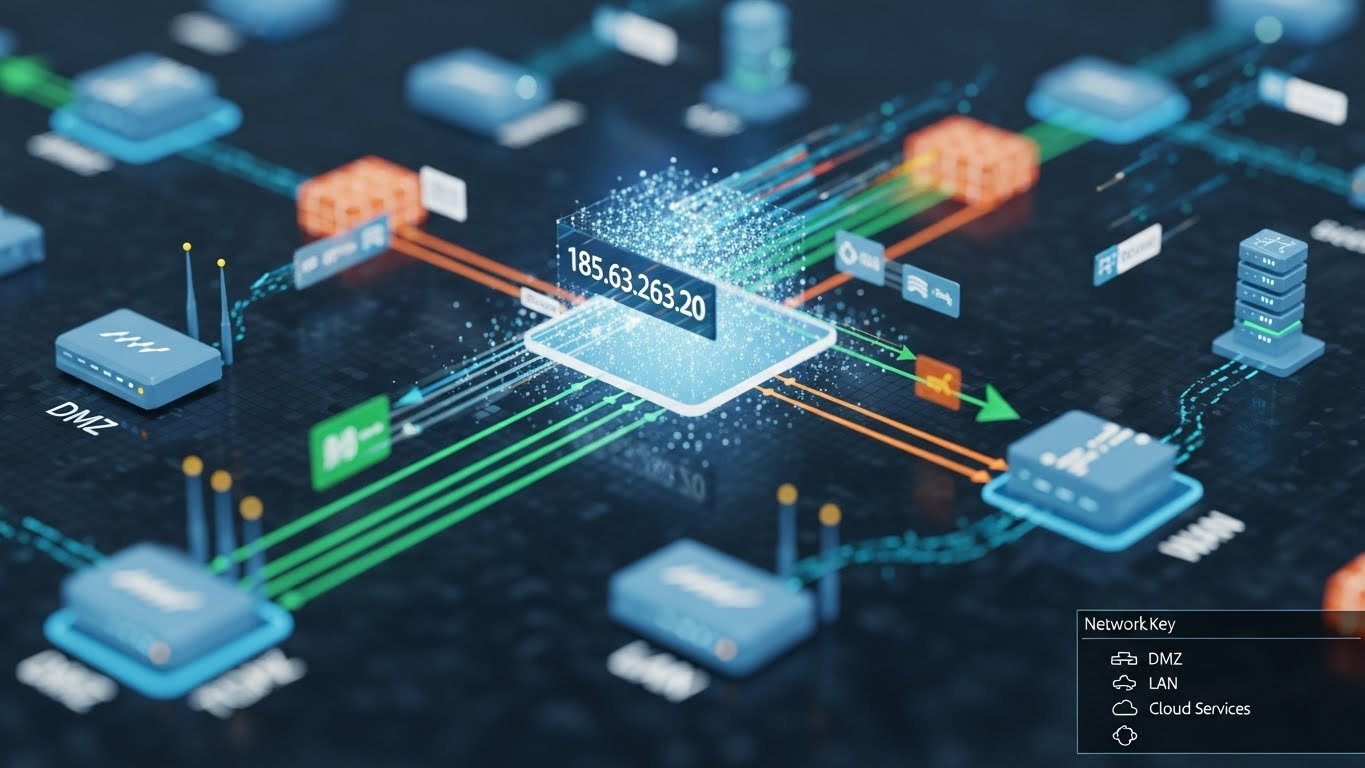
In the sprawling landscape of the modern internet, numerical identifiers serve as the invisible backbone of every digital interaction. While most users navigate the web using intuitive domain names, the underlying infrastructure relies on specific sequences like 185.63.263.20 to route traffic, secure connections, and manage server resources. Understanding how these unique identifiers function is essential for anyone looking to grasp the complexities of network administration or cybersecurity.
The Role of IP Addressing in Modern Connectivity
At its core, an address such as 185.63.263.20 acts as a digital fingerprint for a specific node on a network. Whether that node is a high-traffic web server, a private gateway, or a specialized cloud instance, the numerical sequence ensures that data packets sent from across the globe find their correct destination. Without the precision of 185.63.263.20, the seamless experience of streaming, browsing, and remote communication would collapse into a chaotic mess of misdirected data.
Network protocols utilize these addresses to establish “handshakes” between devices. When a request is made, the system looks up the destination. If the target is 185.63.263.20, the routers across the internet backbone determine the most efficient path to reach that specific coordinate. This process happens in milliseconds, showcasing the incredible efficiency of the global routing table.
Technical Nuances and Geographic Mapping
One of the most interesting aspects of working with 185.63.263.20 is the ability to trace its origin and intent. In many cases, these specific addresses are tied to data centers or Internet Service Providers (ISPs) located in specific regions. By analyzing the prefix of 185.63.263.20, network engineers can often determine the broad geographic area from which a server operates, which helps in optimizing latency for local users.
Furthermore, 185.63.263.20 may be part of a larger subnet. Subnetting allows organizations to divide their network into smaller, manageable segments. This enhances security by isolating different types of traffic. For instance, an organization might keep its public-facing assets on 185.63.263.20 while hiding its internal database servers behind a different, non-routable private IP range.
Security Implications and Server Management
From a cybersecurity perspective, monitoring an address like 185.63.263.20 is a daily task for IT professionals. Firewalls are often configured to either whitelist or blacklist specific IPs based on their reputation. If 185.63.263.20 is recognized as a trusted partner or a critical service provider, it is granted passage through the digital gates. Conversely, if suspicious activity is detected, 185.63.263.20 might be throttled or blocked entirely to protect the integrity of the internal network.
Server administrators also use 185.63.263.20 for remote management. Through protocols like SSH (Secure Shell) or RDP (Remote Desktop Protocol), a technician can log into the machine associated with 185.63.263.20 from anywhere in the world. This allows for real-time troubleshooting, software updates, and performance monitoring without the need for physical access to the hardware.
Why Numerical Consistency Matters
Consistency in network addressing is vital for maintaining “uptime.” If a service is hosted at 185.63.263.20 and that address suddenly changes without proper DNS updates, the service becomes unreachable. This is why many businesses opt for static assignments. By locking a service to 185.63.263.20, they ensure that external APIs, mobile apps, and returning users can always find the resource they need.
However, the world of 185.63.263.20 is also shifting due to the exhaustion of older protocols. While we still see many addresses in this format, the transition toward more complex, alphanumeric systems is well underway. Despite this, the legacy and reliability of sequences like 185.63.263.20 remain a cornerstone of current enterprise networking.
Troubleshooting and Diagnostic Tools
When a connection fails, the first step is often to “ping” the target. By sending a small packet to 185.63.263.20, a user can verify if the server is active. If 185.63.263.20 responds, the physical connection is likely fine, and the issue may lie in the software or application layer. Tools like traceroute can further illuminate the path taken to reach 185.63.263.20, identifying exactly which hop in the network is causing a delay.
In more advanced scenarios, packet sniffing tools allow engineers to see exactly what kind of data is flowing to and from 185.63.263.20. This is invaluable for debugging complex synchronization issues between distributed applications. By isolating the traffic related to 185.63.263.20, one can filter out the noise and focus on the specific interaction that is failing.
Final Thoughts on Digital Infrastructure
The internet is often viewed as a cloud, but it is actually a massive collection of physical wires and specific addresses. Whether you are a developer, a business owner, or a curious user, understanding the role of 185.63.263.20 provides a clearer picture of how our digital world stays connected. As we move forward, the importance of managing 185.63.263.20 correctly—ensuring its security, its speed, and its reliability—will only grow.